



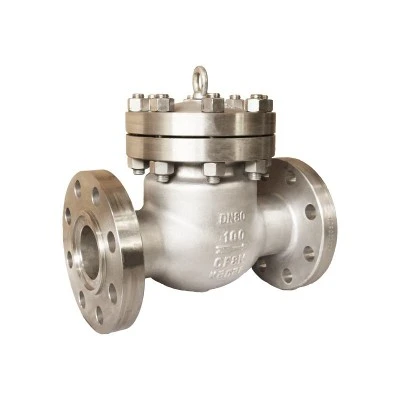
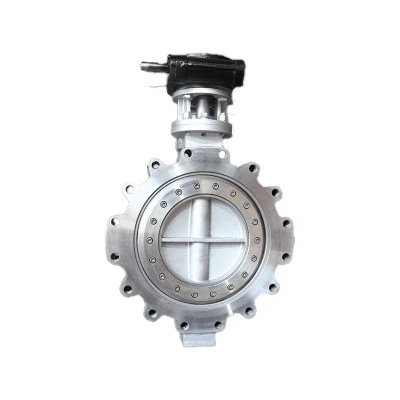
The Double Block and Bleed Valve seals have piping on the surface of two separate seats and a ventable cavity is arranged between them, which is a feature of the design. Opening it does three things at once: it proves that both seats are fixed, it empties the captured medium so maintenance can begin, and it relieves pressure on the sealing chamber as temperature rises. There is no exhalation function and the valve has only two seals, neither of which can be verified.
Meaning of the name – and its promise
The pipeline valve standard API 6D (internationally published as ISO 14313) defines a Double Block and Bleed Valve as a single valve with two seating surfaces, each seat flowing sideways with a cavity between the seats that can be vented through the vents. One body, one stem, one operator's work has traditionally required two block valves with a spool piece and a small vent valve in the middle-which is why this design has earned a place on offshore platforms and skids where every kilo of piping is important.
The promise's name has a definite meaning: downstream seating is the second hurdle, so a single seat malfunction won't put strain on the wiring that's being done. But the second obstacle that no one can test is claims, not obstacles. Bleeding ports are tools for converting claims into metrics, and the rest of this article continues to discuss this issue.

Job 1: The Bleed Port is proof of isolation
A closed valve looks the same whether the seat is fixed or leaking. The only way to know is to open the cavity for air observation without removing the valve. That's the discipline behind the name: close the valve, open the vent, and read the results.
If nothing comes out, the port is quiet, both seats are holding and the cavity is zero pressure-isolation is proof, not hypothesis. If the pipe pressure is stable through bleed port, the seat is passing, which is now a known problem, not an unknown one. In any case, the bleed function is the only instrument on the valve that reports the condition of both seats at once. At the creamtransfer station, compressor station isolation, and anyone working will enter the downstream line, which is the difference between procedure and hope.
The same logic runs in the opposite direction during debugging. Applying pressure to the cavity through the vents and observing the two holes is how API 6D cavity testing works, so the port for field validation of isolation is the same as the port for factory validation of the seat.
Job 2: Empty the cave before work begins
The space between two closed seats is a small, enclosed container that holds everything in the pipe-hydrocarbon liquid, gas under pressure in the pipe, products that continue to evaporate after the valve closes. The vent connection gives the inventory a controlled outlet: the vent connection drains the cavity to a flare, vent or safety receptacle before removing downstream flanges or opening the device.
The danger of skipping this step is not theoretical. The cavity holding pressure turns routine flange work into a pressurized release. Decompression through the vent-and making sure it stays that way-is the reason to reduce work to normal, unpressurized activity. That's why the size and orientation of the emissions connection is a specification items rather than an afterthought: a port is too small, the vents are slow, and facing the wrong way puts the operator in the discharge path.
Job 3: Mitigating what the sun will build
The most dangerous was the sealed cavity. Liquid between two seats expands as it heats up-solar heating on theground, heat tracing, fire exposure-and pressure rises sharply within a fixed volume. Left to fend for itself, this expansion can raise body pressure well above the rated level and split the valve from the inside out.
API 6D uses a seat design for handling, and the two options have opposite failure modes. Self-relieving seat-the single-piston effect-allows excess cavity pressure to push the seat ring out of the sphere and back into the pipe; the standard's acceptance test require relief between 1.1 and 1.33 times the rated pressure, so the valve bleeds before becoming a pressure vessel. Seats with a double-piston effect are the opposite: cavity pressure them tighter against the sphere, which is the redundant two-way seal wanted for critical isolation of Double Block and Bleed Valve --and why the closed cavity requires an external safety device in the same frequency band. Specialists in two-piston seats with liquid service and no relief valve built a sealing bomb; the classification of Dib-1 marked that requirement; and DIB-2 paired a two-piston seat with a self-pressurizing seat that automatically deflated the cavity while maintaining a redundant sealing in the main direction.
How to test features
Bleeding claims carry test obligations. According to seat leakage practices such as API 6D and ISO 5208, both seats are tested from their respective sides. The chamber is then pressurized through an exhaust connection and both holes are monitored to make sure each seat stays in the right direction from the side of the chamber-an important direction once the valve is in use. For valves that must have survived the fire, API 607 verified that the metal backup seal remained isolated after the soft seat burned away. The test results shall be in the test report with actual pressure and retention time, and the valve nameplate or certificate shall indicate the configuration-DBB, DIB-1 or DIB-2, as the seat design cannot be identified externally.
Get the right specifications
Three terms in the API 6D family are not interchangeable, and mixing is the most common procurement error in this type of valve class:
DBB-Two self-relieving seats; the cavity drains its own vents into the line and both seats are justified by the bleed port. Default value for liquid pipeline isolation.
DIB-1 -Two double piston seats; redundant seal in both directions, external cavity relief device for liquid use.
DIB-2 -One each; redundant sealing in main direction, automatic cavity relief.
Authentication habits are the same as operating habit: Ask for the API 6D certificate and read the designation, rather than trusting a marketing line to "double block" anything with two seats. Add the exhaust connection dimensions, relief arrangement, and set pressure for any external equipment, and the purchase order will close the standard open loop.
Frequently Asked Questions
Is a double plug vent valve a substitute for blinds or cores? It replaces two block valves plus an vent spool with a certified valve, which is why confined installation favors it. isolation practice may still require physical shutters for the most consequential tasks-vessel entry, thermal work-and cavities in the valve itself prove to be free of pressure, rather than the entire system.
How often should bleed port be used? Each time the valve is used for isolation, it is worth verifying: close, bleed, observe. A silent cavity is evidence of both seats; closing the port makes isolation hypothetical.
Why does a DIB-1 valve need a separate relief valve? Its two-piston seats are sealed to the chamber, so there's no room for the trapped liquid to expand-an external device is set to release pressure within the standard's band range before reaching the body rating.
Bottom line
Exsanguination is important because it is the only function of both the Double Block and Bleed Valve. It tells us the truth: It reports whether both seats can accommodate, drains trapped media before people start working, and releases the pressure of temperature in a sealed chamber. Two seats form a barrier; the vents make it a measurable barrier-and a measurable barrier is the only type worth signing a permit for.
Source of information
American Petroleum Institute-API 6D, Pipeline and Pipeline Transportation Systems-Pipeline Valves: Definition, cavity relief requirements and testing of dual clog and exhaust valves, dual isolation and exhaust valves (DIB-1/DIB-2).
ISO -14313: International pipeline valve standard.
ISO -5208: Pressure test seat leakage rate and test procedures for industrial valves.
American Petroleum Institute API 607: Fire Type Test of Soft Seat Quarter Steering Valve.
ASME- B16.34, Valves-Flanges, Threads and Welding End: Material and pressure temperature grades.